
Hagia Sophia at Night: Evening Visits & Exterior Lighting
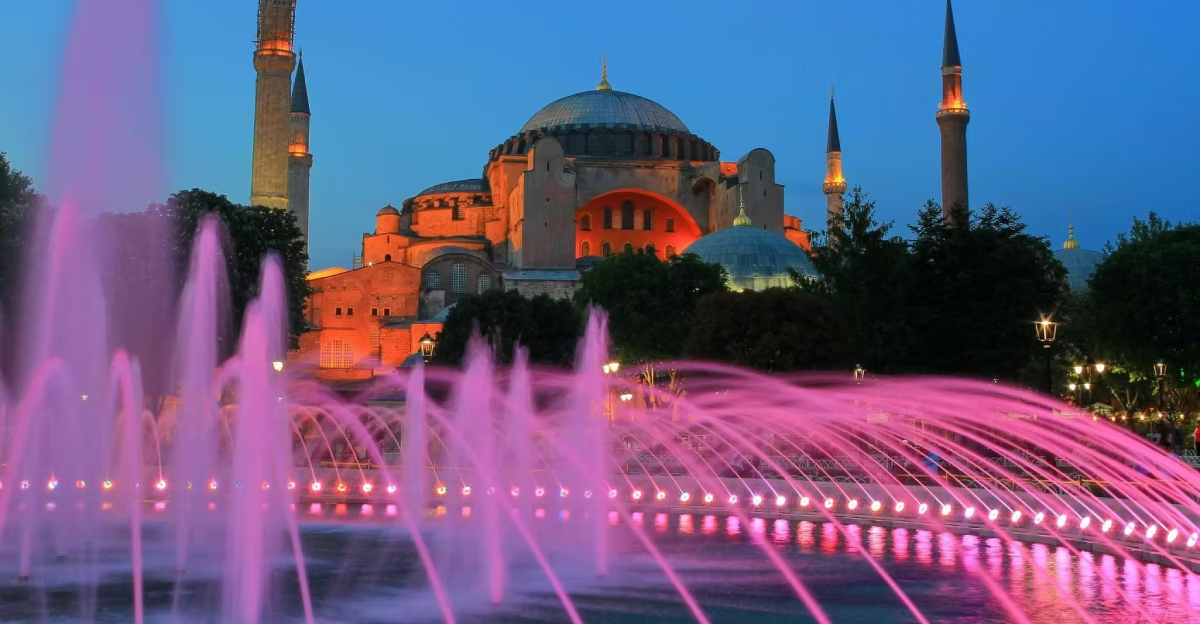
The Hagia Sophia Visiting Area (upper gallery) is open until 7:30pm daily, with last entry at 7:00pm — meaning late afternoon visits in the 5:00–7:00pm window are possible and can be rewarding, particularly in summer when it stays light until well after closing. The exterior is illuminated at night and is freely visible from Sultanahmet Square. There is no dedicated night tour or evening illumination event — the building’s nighttime appeal is primarily the lit exterior viewed from outside.
Hagia Sophia at dusk and after dark is a very different experience from the same building in the bustle of a tourist midday. The exterior lighting — which illuminates the dome, minarets, and main façade in warm tones — transforms the silhouette against the darkening Istanbul sky. Inside, the late afternoon and early evening visiting window (5:00–7:00pm) offers a quieter, more contemplative experience than the crowded midday hours.
This guide covers what to expect from a late visit, what the exterior illumination looks like, and how to plan an evening in Sultanahmet around Hagia Sophia.
Opening Hours: How Late Can You Visit?
The Hagia Sophia Visiting Area is open daily until 7:30pm, with last entry at 7:00pm. In summer (June–September), this means entering just before sunset and experiencing the gallery in the warm light of late afternoon — a beautiful time to visit. In winter, last entry at 7:00pm is after dark, but the gallery’s artificial lighting makes the mosaics visible throughout. The Hagia Sophia exterior lighting is active from dusk until approximately midnight year-round.
Opening hours:
- Visiting Area (upper gallery): 9:00am–7:30pm daily (last entry 7:00pm)
- History and Experience Museum: 9:00am–8:00pm daily (last entry 7:00pm)
- Friday closure: Visiting Area closed 12:30–14:30 for midday prayer — standard evening hours apply
If you plan to visit in the late afternoon / early evening window, arrive by 6:00–6:30pm at the latest to allow time for security and a comfortable visit without rushing towards the 7:00pm last entry deadline. See our opening hours guide for the full schedule.
The Late Afternoon Visiting Window: What to Expect
The 4:30–7:00pm window is consistently one of the best times to visit Hagia Sophia — second only to the first hour after opening. Crowds drop significantly compared to the midday peak, security queues shorten to 5–15 minutes, and the gallery has a noticeably more contemplative atmosphere.
Light quality in the late afternoon: In summer, the late afternoon and early evening sun enters through the western windows at an oblique angle, casting warm directional light across the interior surfaces. The gold tesserae of the mosaics reflect this light differently from the morning light through the eastern windows — more lateral, more raking, creating shadows that reveal the texture of the mosaic surface in a way that diffuse midday light does not.
In winter: Last entry at 7:00pm is after dark. The gallery is lit by artificial lighting — warm-toned downlighting supplemented by the residual daylight through the windows for part of the year. The mosaics are fully visible under artificial light, though the character of the experience is different from a daylight visit.
Crowds: The late afternoon window is reliably quieter than any other period between 10:30am and 4:30pm. In peak season (April–June, September–October), this window offers a meaningful improvement over midday conditions. In low season, the gallery is quiet throughout most of the day.
For full crowd analysis by time of day, see our crowds guide.
The Exterior at Night: What to See
The exterior illumination of Hagia Sophia at night is one of Istanbul’s great visual experiences — and it is entirely free, viewable from public space at any hour.
Hagia Sophia’s exterior is illuminated from dusk until approximately midnight year-round. The dome, the four minarets, the main façade, and the surrounding gardens are lit in warm amber-white light that accentuates the building’s silhouette against the night sky. The best viewpoint is from Sultanahmet Square (the former Hippodrome site), looking across from the Blue Mosque side, or from the garden path along the south side of the building. The view is particularly striking in clear weather when the lit dome and minarets reflect against the dark sky.
Best exterior viewpoints after dark:
Sultanahmet Square: Standing in the square between Hagia Sophia and the Blue Mosque, with both buildings illuminated, is one of Istanbul’s great free experiences. The Blue Mosque’s minarets and the dome of Hagia Sophia create a dramatic bilateral composition that photographers have been capturing for decades.
From the south garden path: Walking along the south side of Hagia Sophia in the evening, the external buttresses and the semi-dome system are visible at close range under the exterior lighting — an architectural perspective on the building that day visitors often miss.
From the Topkapi Palace gate area: The northeast approach towards the tourist entrance at night, with the minarets rising above the garden, gives a less-photographed but equally beautiful perspective on the building.
From the Bosphorus / Galata Bridge: At a greater distance, the lit dome of Hagia Sophia is visible as part of the historic peninsula skyline — combined with the Blue Mosque, the Topkapi Palace silhouette, and the Golden Horn — from the Galata Bridge waterfront and the Bosphorus. This view is best captured from the upper level of the Galata Bridge in the first hour after sunset.
The Evening Atmosphere in Sultanahmet
Sultanahmet Square after dark — with both Hagia Sophia and the Blue Mosque illuminated, the Hippodrome monuments lit, and the neighbourhood quieter than at midday — is one of Istanbul’s most enjoyable free experiences. The square’s café terraces are active until late in summer; in winter, the open space is quieter but still atmospheric.
The call to prayer (ezan) from Hagia Sophia’s minarets in the evening — the Maghrib prayer at sunset and the Isha prayer an hour or two later — adds an auditory dimension to the evening experience that is particularly vivid in the open space of the square. The sound carries across the Bosphorus and blends with the competing calls from the Blue Mosque’s own minarets in a way that is one of the defining sensory experiences of Istanbul.
Is There a Night Tour of Hagia Sophia?
There is no dedicated nighttime or after-hours tour of Hagia Sophia — the building closes to tourist visitors at 7:30pm and the upper gallery is not accessible after that time. What is marketed as “Hagia Sophia at night” by some tour operators is typically either a late afternoon visit that concludes around closing time, or an evening walking tour of Sultanahmet that includes exterior views of Hagia Sophia as part of a broader neighbourhood experience.
If you are looking for an evening guided experience in Sultanahmet, an evening walking tour of the district — covering the exterior of Hagia Sophia, the Blue Mosque, the Hippodrome, and the surrounding streets — is a genuine option available through some operators.
Planning an Evening in Sultanahmet Around Hagia Sophia
A suggested evening plan that makes the most of both the late visiting window and the exterior experience:
5:00pm: Arrive at Hagia Sophia with a pre-booked ticket. Security queue is typically 5–10 minutes at this time.
5:10–6:30pm: Explore the upper gallery. The quieter conditions and warm afternoon light create an excellent visiting environment.
6:30pm: Exit and walk into Sultanahmet Square.
6:30–7:00pm: Watch the sunset light transition from the square — the moment when the exterior lighting activates against the darkening sky, and the illuminated dome appears against the dusk, is worth timing your exit for.
7:00pm onwards: The Blue Mosque, Sultanahmet Square, and the surrounding neighbourhood in the evening. Dinner at one of the rooftop restaurants in the Sultanahmet area, with views of the illuminated skyline.
For ticket booking and pricing, see our full tickets guide.
Photography Tips for Evening and Night
For interior late afternoon shots: See our photography guide for full camera settings. The warm afternoon light through western windows in summer creates different photographic opportunities from the morning — more lateral, more raking, revealing the mosaic texture differently.
For exterior night shots:
- Use a tripod or brace your camera against a solid surface — night exterior photography requires long exposures
- The square provides a stable flat surface for a camera bag or jacket as a tripod substitute if needed
- Expose for the building rather than the sky — let the sky blow out slightly for a better-lit building
- The first 20–30 minutes after sunset (the “blue hour”) produce the most balanced results — sky not yet fully dark, exterior lighting fully active, and a warm-cool colour balance that flatters the building
Frequently Asked Questions
What time does Hagia Sophia close?
The Visiting Area closes at 7:30pm daily, with last entry at 7:00pm. See our opening hours guide for full schedule details.
Is Hagia Sophia lit up at night?
Yes — the exterior is illuminated from dusk until approximately midnight year-round. The dome, minarets, and façade are lit in warm amber tones. The illumination is viewable freely from Sultanahmet Square.
Can I visit Hagia Sophia after dark?
The Visiting Area closes to tourists at 7:30pm. In summer, this coincides approximately with sunset (sunset in Istanbul is around 8:30pm in June–July, meaning last entry at 7:00pm is before dark). In winter, last entry is after dark. The exterior is visible and freely accessible from public space after closing.
Are there any special evening events at Hagia Sophia?
There are no regular special evening events or after-hours tourist access at Hagia Sophia. The building’s evening function is the religious prayers conducted by worshippers — not tourist events.
Is the late afternoon visit better than the morning?
The morning (9:00–10:30am) is generally better — it offers shorter security queues, quieter gallery conditions, and better natural light on the mosaics. The late afternoon (4:30–7:00pm) is the second-best window and significantly better than midday. See our best time to visit guide.
