
What to See at Hagia Sophia
From the soaring 56-metre dome to the glittering Byzantine mosaics — everything worth seeing inside Hagia Sophia, with practical tips for making the most of each highlight.
Top Highlights at Hagia Sophia
The headline sights and experiences most visitors want to see first.
The Magnificent Dome
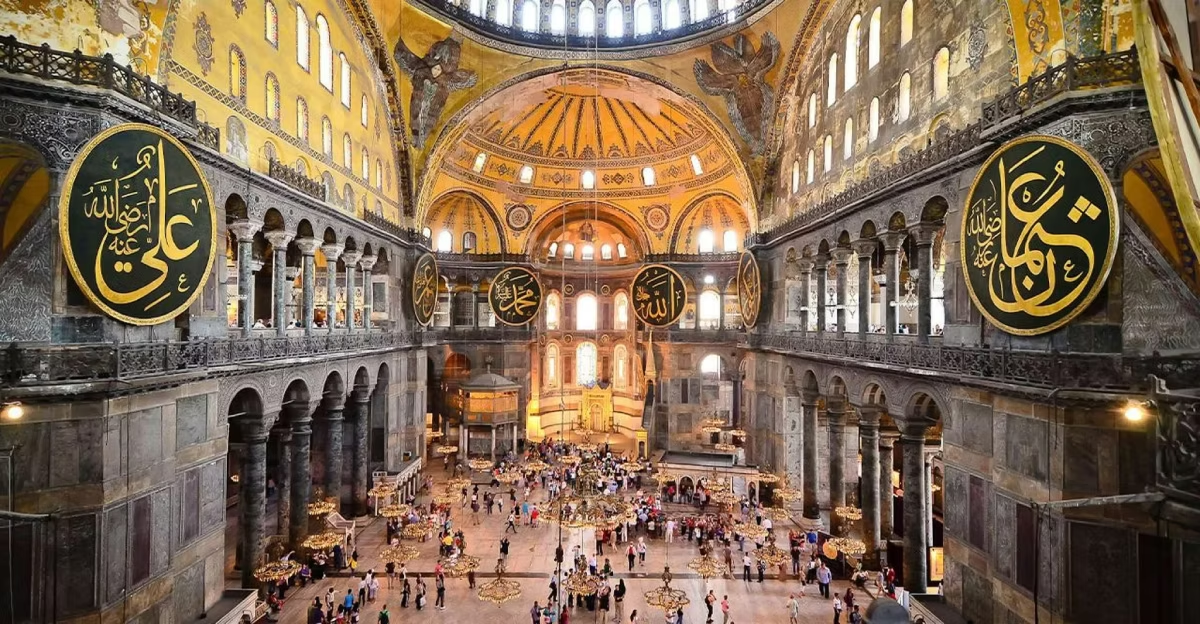
Marvel at the 56-metre-high dome that has stood for nearly 1,500 years — an engineering wonder that changed architecture forever and remains one of the largest unsupported domes in the world.
Explore the Architecture →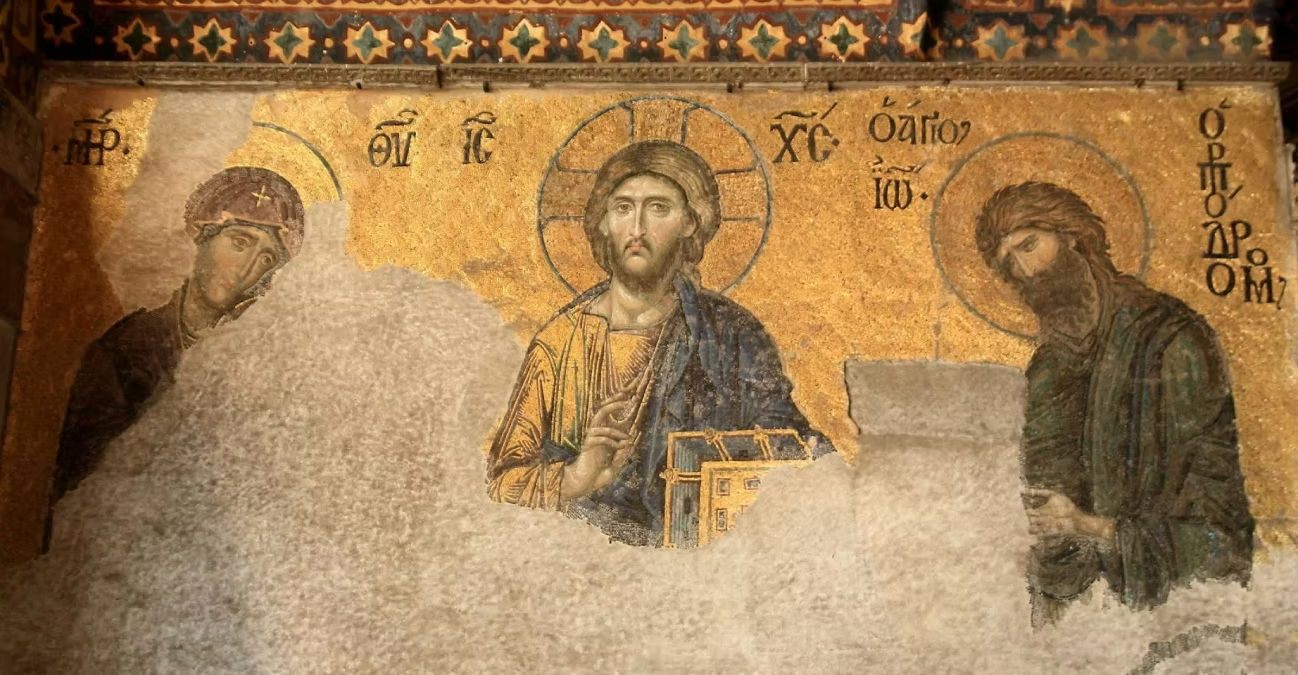
Byzantine Mosaics
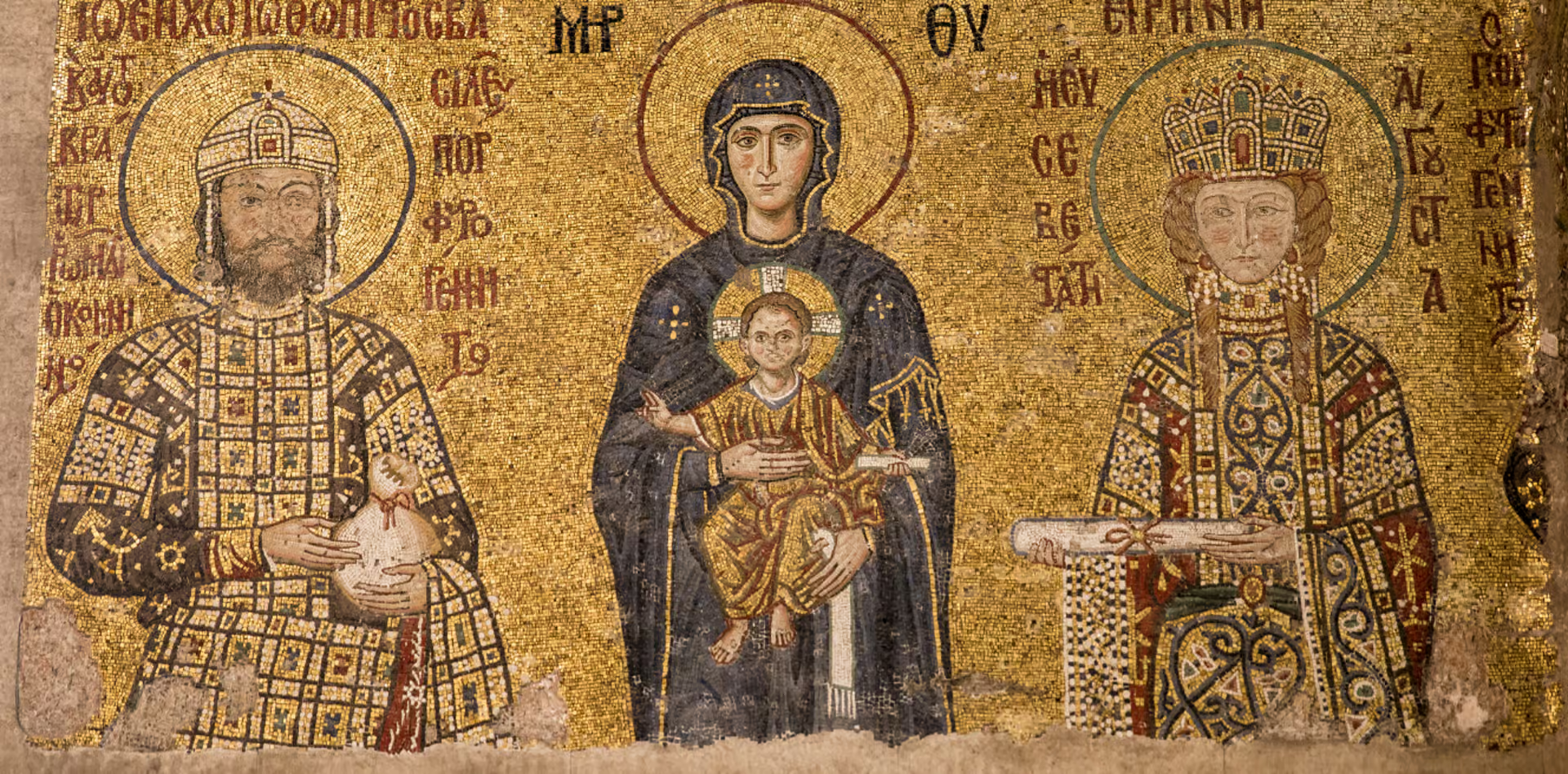
Discover glittering gold mosaics spanning centuries of Byzantine artistry, including the world-famous Deesis Mosaic, the Virgin and Child, and imperial portraits of emperors and empresses.
Explore the Mosaics →Inside the Building
What to see inside Hagia Sophia: complete guide
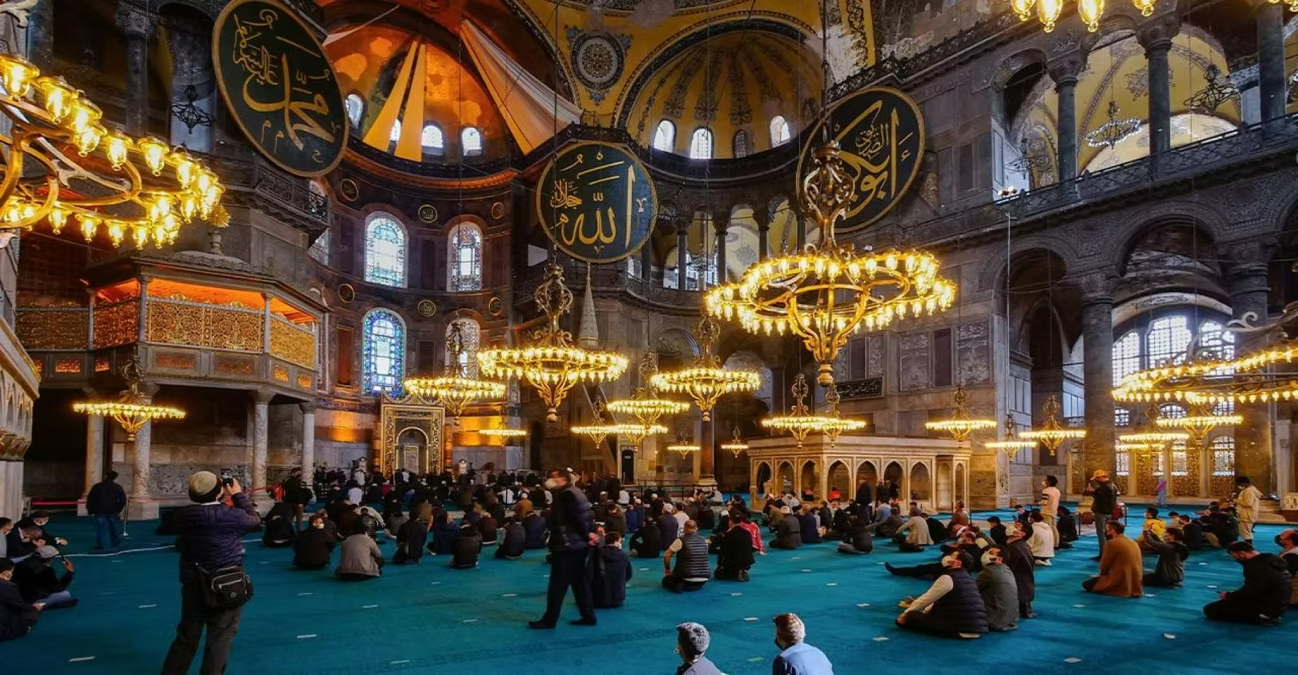
A room-by-room guide to the interior, covering the nave, dome, mosaics, and the features that make this 1,500-year-old structure extraordinary.
Read more →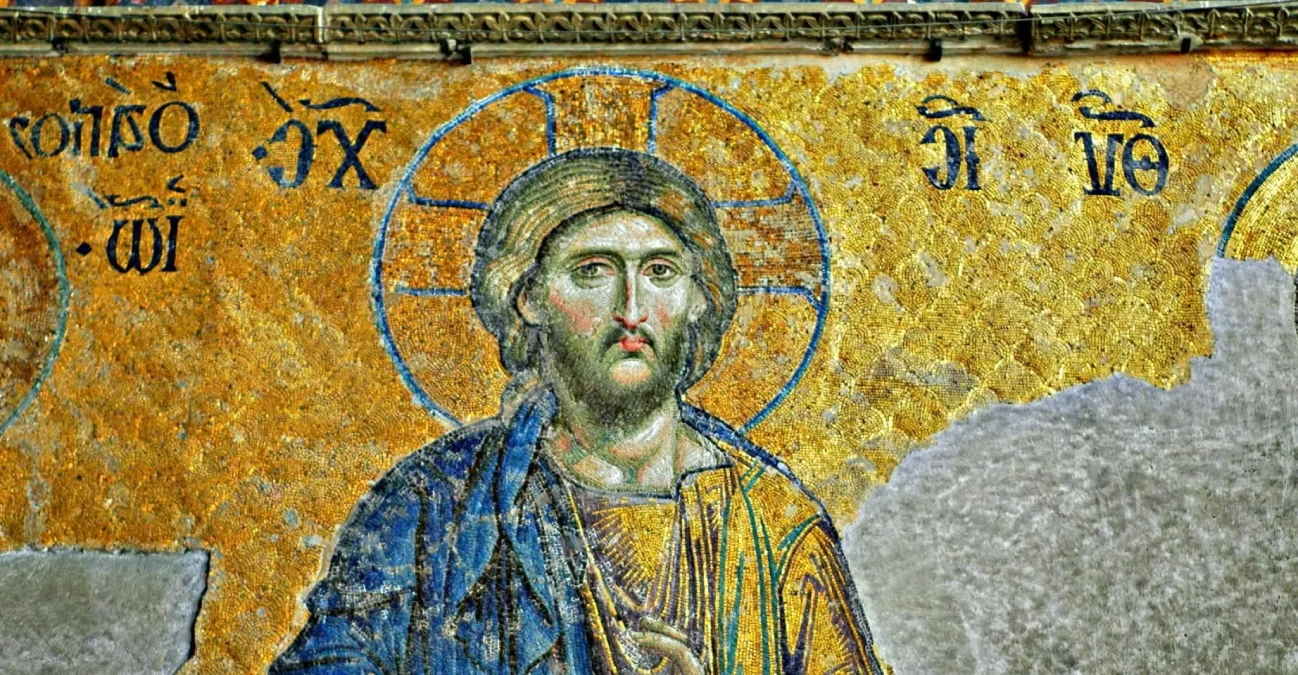
The Deesis Mosaic: most famous artwork
The 13th-century Deesis depicting Christ, the Virgin Mary, and John the Baptist is considered one of the finest examples of Byzantine art ever created.
Read more →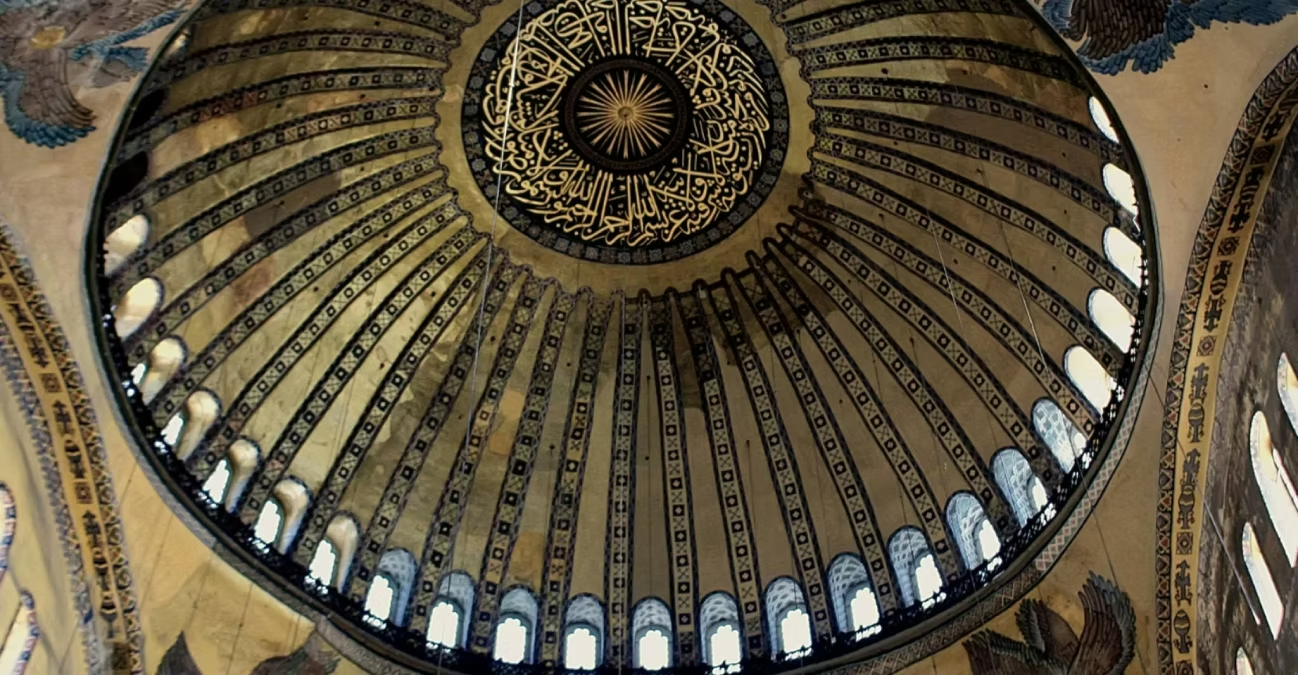
The upper gallery
The upper gallery offers elevated views of the nave and up-close access to the finest Byzantine mosaics, including the celebrated Deesis.
Read more →History & Hidden Gems
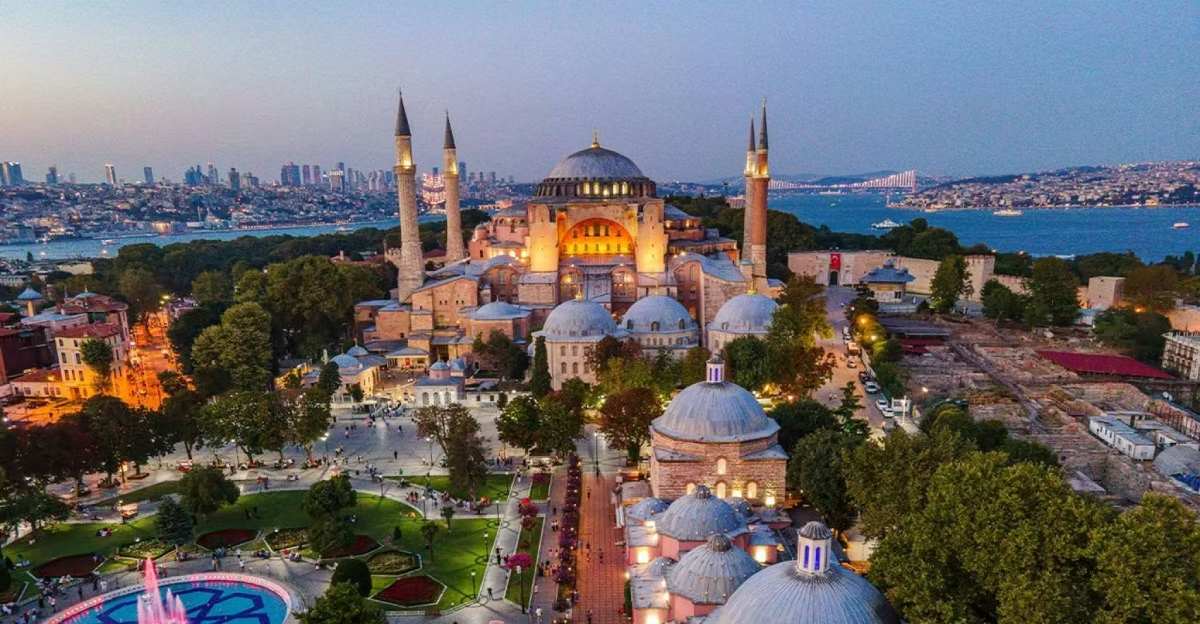
History of Hagia Sophia
From its founding in 537 AD through centuries as cathedral, mosque, museum, and mosque again — the key events that shaped this iconic building.
Read more →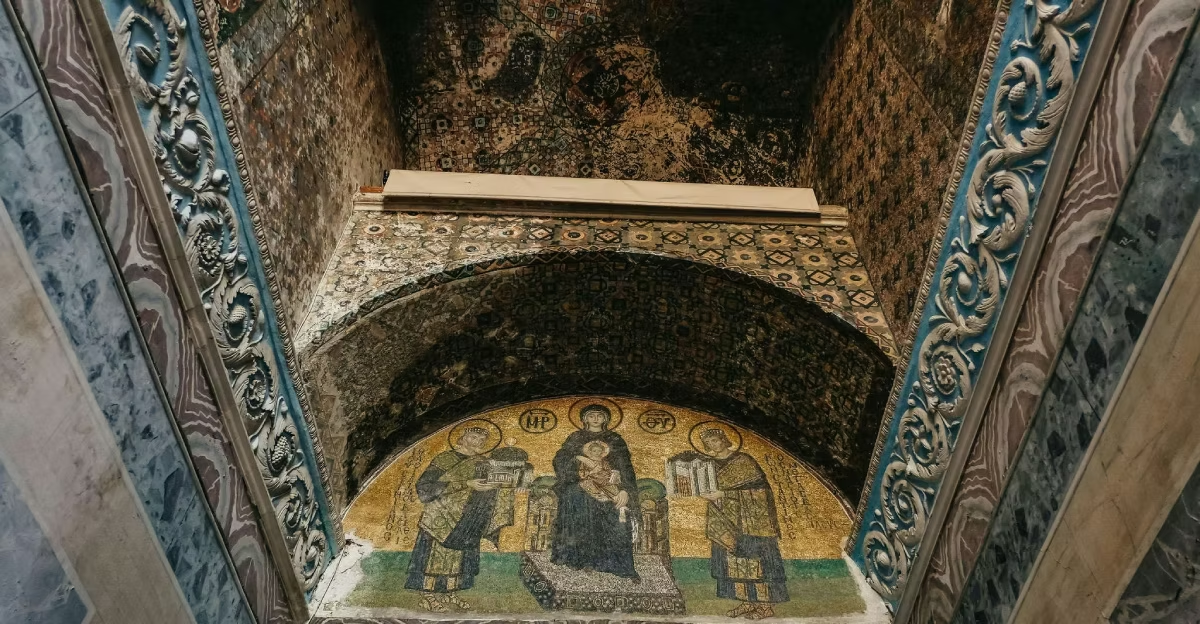
Hidden details most visitors miss
Viking graffiti, the weeping column, mismatched marble columns, and other lesser-known features that reveal surprising layers of history.
Read more →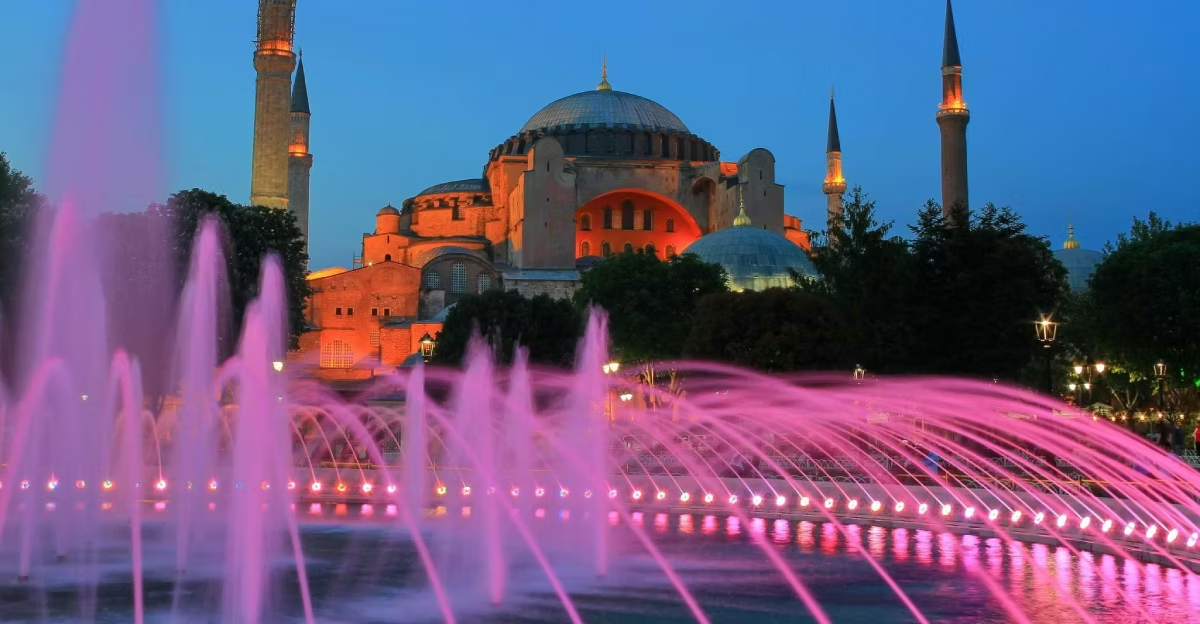
Hagia Sophia at night
What to expect from an evening visit — illuminated exteriors, quieter crowds, and a completely different atmosphere after dark.
Read more →Other Attractions
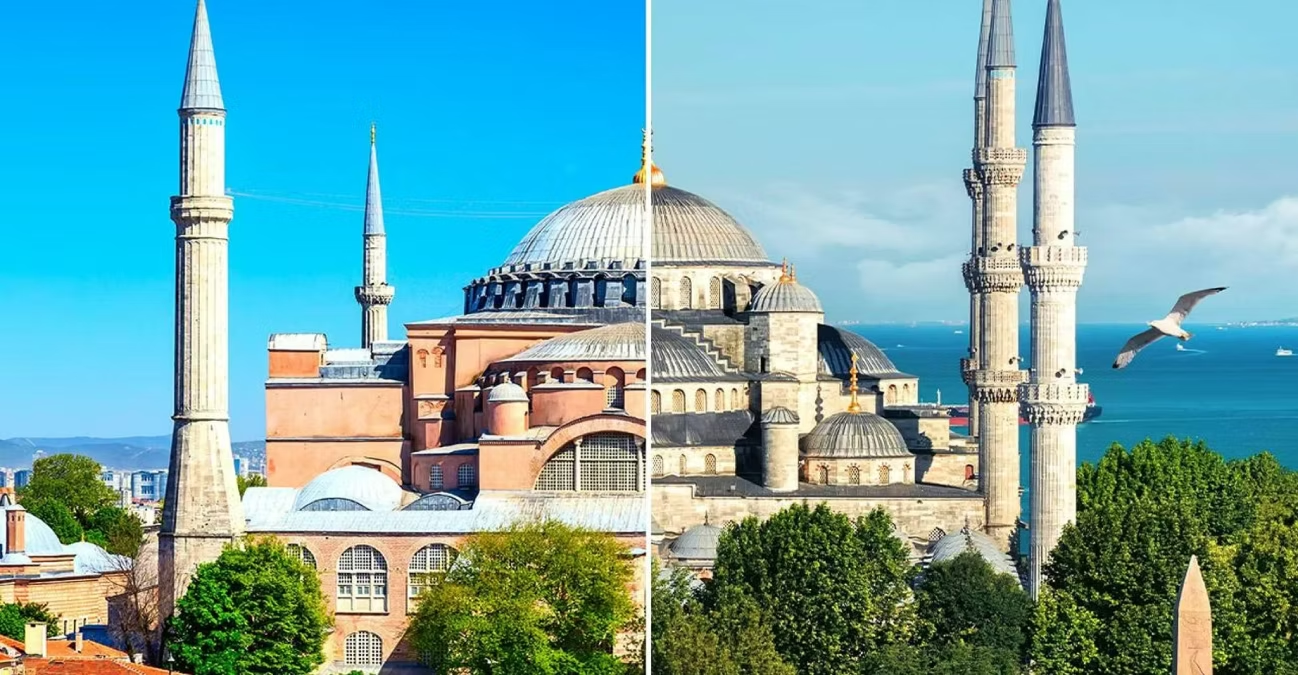
Hagia Sophia vs Blue Mosque: which first?
A side-by-side comparison to help you decide which to visit first and how to plan an efficient route through Sultanahmet.
Read more →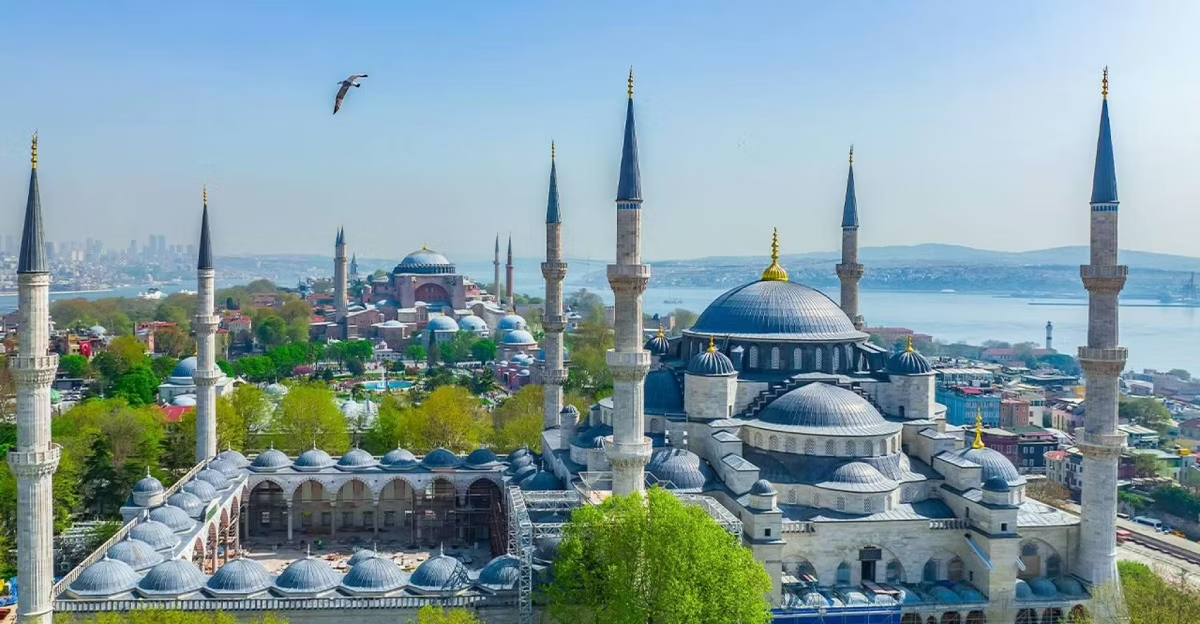
Attractions near Hagia Sophia (Sultanahmet)
Blue Mosque, Basilica Cistern, Topkapi Palace, and more — all within a 5-minute walk of Hagia Sophia.
Read more →How to Choose What to See
A quick guide based on your interests and visit style.
If you have limited time
You can see Hagia Sophia’s top highlights in 45–60 minutes.
- Enter through the Imperial Gate and take in the dome and nave from the centre
- Visit the weeping column and mihrab on the ground floor
- If the upper gallery is open, go up for the Deesis Mosaic — it’s the single most important artwork
- Exit through the Vestibule of Warriors and look back for the Virgin and Child mosaic
If you love history and architecture
1,500 years of history as cathedral, mosque, and museum demand a thorough exploration.
- Book a private guided tour for expert commentary on Byzantine, Ottoman, and modern layers
- Study every visible mosaic — each tells a story of religious and political transformation
- Examine the architectural details: pendentives, buttresses, mismatched columns, and construction marks
- Visit the adjacent history and experience museum for exhibits and context
If you’re a photography enthusiast
Hagia Sophia’s interior light and scale make it a photographer’s dream — timing is everything.
- Visit in the morning when eastern light streams through the windows for warm, atmospheric shots
- The upper gallery offers the best elevated perspectives of the dome, nave, and mosaics
- Use a wide-angle lens for the interior and a telephoto for ceiling mosaics and dome details
- The exterior is best photographed at golden hour from the Sultanahmet Park side
If you want the full Sultanahmet experience
Hagia Sophia anchors a neighbourhood of world-class sights — plan a full day.
- Start at Hagia Sophia, then walk to Blue Mosque (2 min), Basilica Cistern (3 min), Topkapi Palace (5 min)
- Book a 4-attraction combo ticket to save money and skip queues at each site
- End with the Hippodrome and a walk to the Grand Bazaar (15 min) for shopping
- Add a Bosphorus cruise in the late afternoon for a memorable finish
Continue Exploring Hagia Sophia
Book your tickets and plan the practical details of your visit.
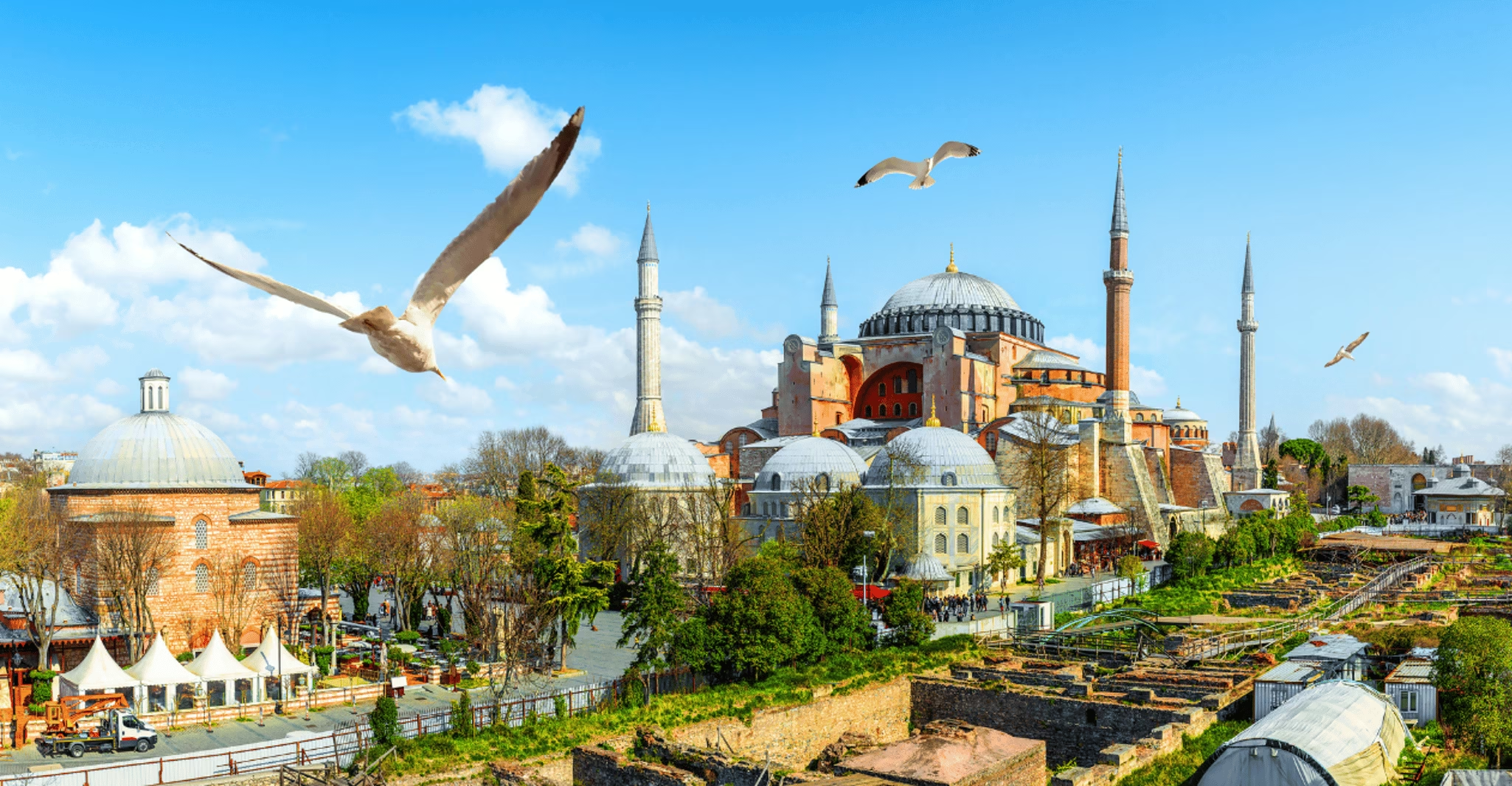
Hagia Sophia Tickets & Tours
Compare skip-the-line tickets, guided tours, and multi-attraction combo deals.
Explore ticket options →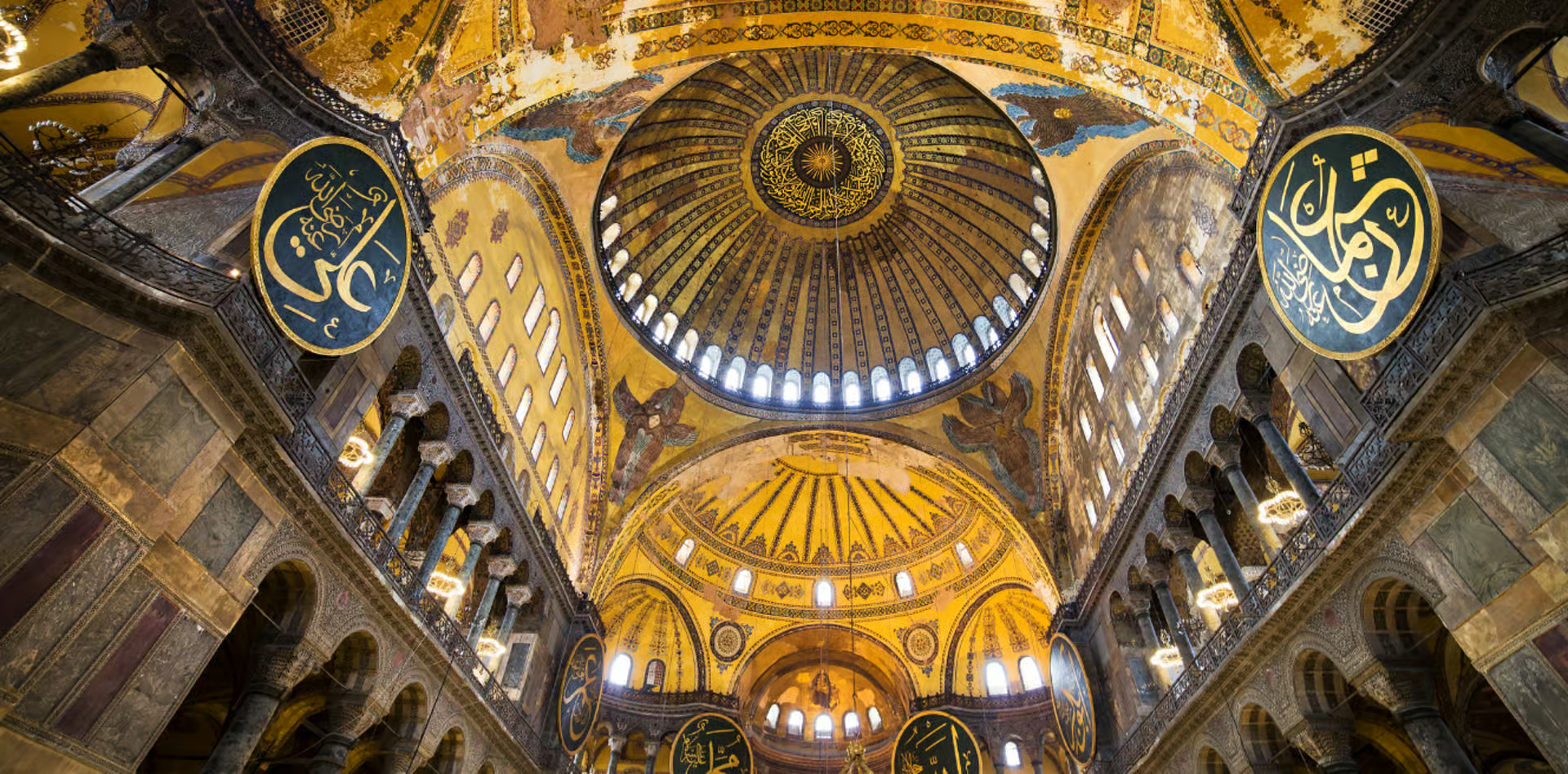
Plan Your Visit to Hagia Sophia
Opening hours, dress code, getting there, and practical tips.
Explore planning guides →Frequently Asked Questions
Common questions about what to see and prioritise at Hagia Sophia.